
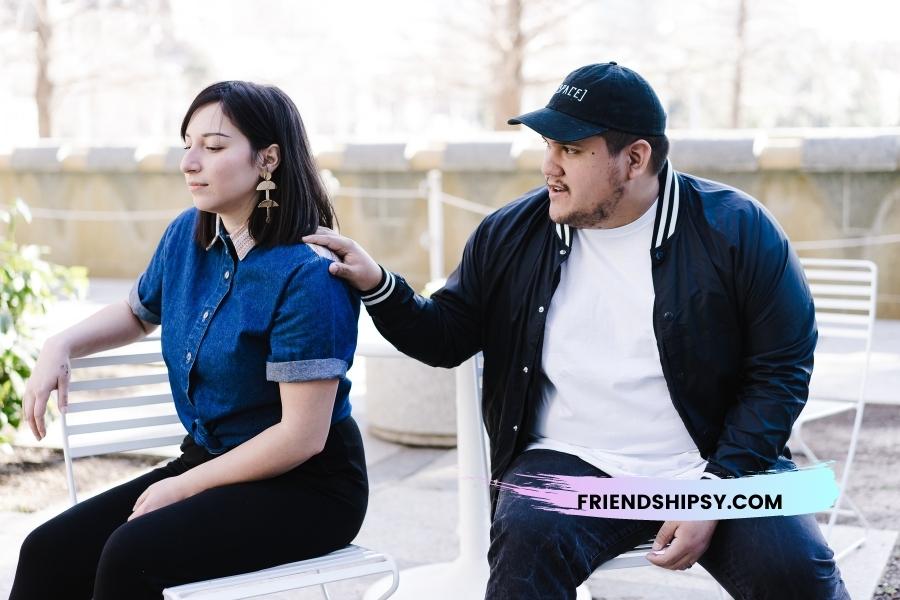
Have you ever found yourself in a situation where you treated a friend poorly and wished you could turn back time? Maybe you said something mean or acted in a way that hurt your friend’s feelings.
If that’s the case, you’re not alone. We’ve all been there at some point in our lives. And the good news is that it’s never too late to make things right.
Apologizing to a friend for being mean can be a powerful way to improve your relationship and bring back the love and laughter that once existed between you two.
So, what’s the best way to apologize to a friend for being mean? Well, it’s not just about saying “I’m sorry” and hoping everything will magically go back to normal.
A sincere apology involves understanding the impact of your actions, taking responsibility, and committing to change. It’s about showing your friend you care and value friendship.
Have you ever experienced the power of a well-executed apology? The relief and joy from making things right with someone you care about are priceless.
And, who knows, your friend might even surprise you with a heartfelt apology of their own. It’s beautiful when two people can unite and make peace after a disagreement.
So, are you ready to turn things around and make your friendship stronger than ever before? Great! Let’s dive in and explore the wonderful world of apologies.
Get ready to learn how to say “I’m sorry” in the most meaningful and impactful way possible.
The Importance of Apologizing to a Friend
Mending Broken Relationships
Being mean to a friend can cause a rift in your relationship and make it difficult for both of you to move forward.
But by apologizing, you’re taking the first step towards repairing the relationship and restoring trust and friendship.
Imagine being able to reminisce about old times and laugh together like before. Apologizing can make this a reality.
Showing Empathy and Understanding
Apologizing to a friend shows that you understand and empathize with their feelings. It shows that you’re aware of the impact your actions have had on them and that you care about their well-being.
By taking responsibility for your actions and expressing remorse, you’re giving your friend the validation and closure they need to heal.
Building Stronger Relationships
A genuine apology can also strengthen your relationship with your friend. By acknowledging your mistakes and making amends, you’re demonstrating a level of vulnerability and trust that can bring you two even closer.
You’re also setting a positive example for future conflicts and showing willingness to work through challenges together.
Improving Communication
Apologizing to a friend can also improve communication in your relationship. It opens the door for a candid conversation about the issue and allows you to express your feelings and perspectives.
This can help you understand each other better and avoid similar conflicts in the future.
Making Yourself a Better Person
Apologizing to a friend can help you become a better person. It takes courage and humility to admit when you’re wrong, and this self-reflection can help you grow and mature.
You’ll also feel a sense of peace and liberation by owning up to your mistakes and making amends.
15 Ways to Apologize to a Friend for Being Mean
1. Make a Heartfelt Apology
You might feel embarrassed or ashamed of your actions, but don’t let that prevent you from apologizing to your friend.
A genuine and heartfelt apology is the first step towards making amends and repairing the friendship.
Imagine yourself in your friend’s shoes; how would you want someone to apologize? Try to use that empathy when making your apology. Make sure your friend knows you are truly sorry for what you did.
2. Admit Your Mistake
It’s easy to get defensive when someone calls us out on our behaviour, but to apologize genuinely, and it’s important to acknowledge what you did wrong.
Be honest with yourself and your friend, and take full responsibility for your actions. Saying something like, “I know I was being mean to you, and I’m sorry,” can go a long way in repairing the relationship.
3. Ask For Forgiveness
Once you’ve admitted your mistake, it’s time to ask for forgiveness. This step shows that you understand the impact of your actions and that you truly want to make things right.
It’s important to be sincere when asking for forgiveness and to avoid using language that deflects responsibility, such as “I’m sorry if I hurt you.”
Instead, try saying something like, “I’m sorry for being mean to you, and I hope you can forgive me.”
4. Listen to Your Friend’s Perspective
It’s important to take the time to listen to your friend’s perspective on the situation. By hearing them out, you can gain a deeper understanding of why your behaviour was hurtful and what you can do to make things right.
This step also shows your friend that you value their thoughts and feelings.
5. Understanding the Gravity of Your Actions
Have you ever been mean to a friend and then felt guilty about it later? Maybe you said something hurtful in the heat of the moment or acted unkindly.
No matter the reason, the important thing is to understand the impact your actions had on your friend.
6. Making Amends
Making amends means doing something to repair the damage that’s been done. This could mean apologizing in person, writing a letter, or buying your friend a thoughtful gift.
Whatever you choose, the important thing is that it shows you’re truly remorseful and want to make things right.
7. Being Genuine
When apologizing, it’s important to be sincere. This means putting aside your pride and truly owning up to your mistake.
Don’t make excuses or try to blame others for your actions. Your friend can tell if you’re being genuine, and an insincere apology will only worsen things.
8. Offering to Make It Right
After listening to your friend, offer to do what you can to make things right. This could mean helping them with a task, giving them a heartfelt apology, or simply being there when they need a shoulder to cry on.
9. Making a Plan to Prevent It From Happening Again
Once you’ve made amends, it’s important to put a plan in place to ensure that the same mistake doesn’t happen again.
This could mean improving your communication skills, avoiding certain triggers that cause you to act out, or simply being more mindful of your words and actions.
10. Moving Forward
Apologizing is just the first step in moving forward. It’s important to put the past behind you and focus on building a stronger, more positive relationship with your friend.
This means patience, forgiveness, and understanding, even if the road to recovery is long.
11. Being a Better Friend
One of the best ways to apologize is to be a better friend. Show your friend that you’re truly remorseful by being there for them, listening when they need someone to talk to, and always being kind and understanding.
12. Remembering the Value of Your Friendship
No matter what happens, it’s important to remember the value of your friendship. Friendships are precious and should be treasured, even if they sometimes hit a rough patch.
With time, patience, and effort, you can rebuild your friendship and strengthen it.
13. Learn From the Experience
Apologizing for being mean can be a learning experience. Take the time to reflect on why you behaved the way you did and what you can do to avoid similar situations.
This can help you to grow as a person and to avoid repeating the same mistakes in your future relationships.
14. Focus On Moving Forward
Once you’ve apologized, it’s important to focus on moving forward. This can involve rebuilding trust, repairing the relationship, and sincerely trying to change your behaviour.
By focusing on moving forward, you can help to create a brighter future for your friendship.
15. Time Heals All Wounds
While apologies are important, it takes time for a friendship to heal fully. Be patient and understanding as your friend processes their feelings and decides if they are ready to move forward.
Don’t give up on the friendship if things are difficult at first. Instead, focus on being a good friend and demonstrating your commitment to making things right.
Final Words
So, there you have it. Here are some solid ways to apologize to a friend for being mean.
Remember, apologizing is not just about saying sorry but also about taking responsibility for your actions and trying to repair the relationship.
Now, let’s take a moment to think about when you had to apologize to a friend. How did it feel? Did you feel a weight lifted off your chest, or was it awkward at first?
Whatever the case, apologizing to a friend can be a powerful tool to strengthen your bond.
Think about it. When you apologize to a friend, you’re showing them that you value the relationship and that you’re willing to work to fix any issues that might have come up.
Plus, it’s a sign of maturity and growth. So, don’t be afraid to apologize to a friend if you need to.
And if you’re on the receiving end of an apology, consider accepting it. Holding grudges can only hurt the relationship in the long run. After all, everyone makes mistakes. The important thing is how we handle them.
So, apologize to your friend, and watch your relationship grow stronger. Trust me, and you won’t regret it!
And if you’re still unsure, think of all the great moments you’ll be able to share with your friend once you’ve cleared the air.
Well, that’s it for now. I hope these tips help you navigate those tricky apology waters. Until next time, take care!