
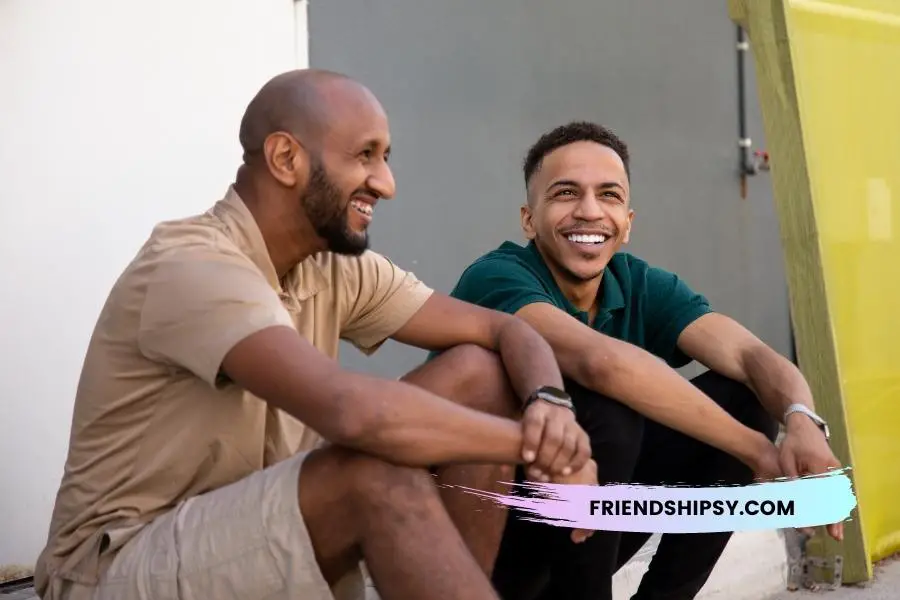
Hey there, friend! Have you ever felt like there was a communication divide between you and your male friends? Maybe you struggle to express your emotions or feel like you’re not being heard. The truth is many men struggle with communication in their friendships.
That’s why I’m here to help mend the gap and bridge that divide. In this post, I’ll discuss strategies for improving communication in male friendships, including tips for avoiding gossip and negativity, normalizing vulnerability, and expressing gratitude and appreciation.
I’ll also touch on how to overcome communication barriers due to different styles or cultures. By the end of this post, you’ll have a better understanding of how to communicate effectively with your male friends and deepen those relationships. So, let’s get started!
Understanding the Communication Divide Between Men
Whether you’ve experienced it firsthand or seen it play out in pop culture, the stereotype of men as less communicative than women is pervasive. However, the reality is often more complex than that.
Men and women may have different communication styles, but there is no one-size-fits-all approach to male communication. You might find that your male friends have no trouble talking about their hobbies or work but clam up on personal matters.
Alternatively, they might be open and honest about their feelings but have difficulty expressing vulnerability.
In this section, we’ll explore the different ways that men communicate and offer some tips for bridging the communication divide between male friends.
How Societal Norms and Gender Expectations Can Impact Male Communication
As a man, you’ve likely been told to “man up” or “be tough” when facing a difficult situation. These societal norms and gender expectations can impact how you communicate with other men. You may have learned to prioritize stoicism and emotional restraint, which can make it hard to open up to others.
The fear of being perceived as weak or unmanly for expressing your emotions can create a reluctance to engage in emotional or vulnerable conversations with male friends.
It’s important to understand these societal expectations to communicate with your male friends in a way that supports their comfort level and avoids judgment.
Why Men May Struggle With Vulnerability and Sharing Their Thoughts and Feelings
As a man, it can be tough to open up and share your innermost thoughts and feelings. The need to be self-reliant and independent can create a challenge in developing trust, which is essential to vulnerability.
Many men also fear rejection or judgment if they share their thoughts and feelings, which can cause a significant communication gap.
Understanding these obstacles and having empathy for men who struggle with vulnerability can help you be more patient and understanding when communicating with male friends.
The Consequences of a Communication Gap on Male Friendships
If left unaddressed, a communication gap can have serious consequences for male friendships. Misunderstandings and disagreements can arise, leading to hurt feelings and resentments.
When men avoid communicating their thoughts and feelings, it can create a sense of distance and disconnection, making it difficult to maintain close friendships.
The resulting lack of intimacy and trust can cause friendships to break down over time. Recognizing the potential negative impact of a communication gap can motivate you to take action to bridge the divide and strengthen your male friendships.
Best Practices for Effective Communication With Male Friends
How to Establish Trust and Create a Safe Space for Open Communication
One of the most important ways to build trust and create a safe space for open communication with your male friends is by actively listening to them without judgment, which can help them feel heard and valued.
Respecting their boundaries is another critical element, as everyone has different comfort levels when discussing personal matters.
Finally, being honest and transparent in your communication can help set the tone for openness and vulnerability in your friendships. By creating this safe and trusting environment, you can help your male friends feel more comfortable sharing their thoughts and feelings with you.
Tips for Active Listening and Better Understanding Your Male Friends
If you want to deepen your understanding of your male friends, you should aim to be an active listener. This means maintaining eye contact, avoiding distractions, and summarizing what they said to show that you were paying attention.
By doing so, you can better understand their perspectives and build stronger connections. So, next time you’re catching up with your male friends, try putting these active listening tips into practice and see what happens!
When it comes to active listening, there are several tips that you can put into practice to improve your communication with your male friends.
One tip is maintaining eye contact, which can help show your friend that you are fully present and engaged in the conversation.
Avoiding distractions, such as checking your phone or looking around the room, can help you stay focused on the conversation.
Summarizing your friend’s words to ensure you understand them correctly can be another helpful strategy. By actively listening to your male friends, you can build stronger relationships and gain a better understanding of their perspectives and experiences.
Strategies for Avoiding Misunderstandings and Promoting Inclusivity
Misunderstandings can be detrimental to male friendships, and using specific language can help avoid them. If your friend is unsure of what you are saying, try to clarify your meaning.
Inclusivity is also crucial in promoting effective communication, as it ensures that all perspectives and experiences are valued and heard. It’s essential to ensure that everyone feels included and that no one is left out, as this can lead to a stronger bond among friends.
The Importance of Being Patient and Non-judgmental When Communicating With Male Friends
When communicating with your male friends, it is essential to be patient and non-judgmental. This means you should give them enough time and space to express themselves fully and avoid criticizing or dismissing their thoughts or feelings.
Communicating with empathy and an open mind can help break down barriers and foster healthy relationships. Imagine a situation where you felt heard and understood; how did that make you feel? You can give that same feeling to your male friends by being patient and non-judgmental in your communication.
How to Handle Disagreements and Find Common Ground
Handling disagreements in male friendships can be difficult, but there are ways to navigate them effectively. One key strategy is actively listening to your friend’s point of view, acknowledging their perspective and validating their feelings.
Finding common ground or compromising can help resolve disagreements and maintain a healthy friendship. Remember, disagreements are an opportunity for growth and a deeper understanding of each other’s perspectives.
Strategies for Avoiding Gossip and Negativity in Male Friendships
It’s important to keep your friendships drama-free and supportive because gossip and negativity can create tension and ultimately damage friendships. It is always better to avoid talking about others behind their backs or spreading rumours, as this can lead to misunderstandings and conflict.
Instead, focus on building positive relationships with your male friends and encouraging open and honest communication. By promoting positivity and support, you can foster a healthy and long-lasting friendship.
Addressing the Fear of Vulnerability in Male Friendships
Many men struggle with the fear of vulnerability in their friendships, but normalizing vulnerability as a healthy aspect of friendship can help.
Encouraging open and honest conversations about feelings and emotions is essential to building trust and confidentiality in the friendship.
By creating a safe and supportive space, you and your male friends can deepen your connection and support each other through life’s challenges.
Overcoming Communication Barriers Due to Different Communication Styles or Cultures
When it comes to communicating with people from different cultural backgrounds, it’s essential to recognize and respect their differences in communication styles.
For example, some cultures may value direct communication, while others may prioritize nonverbal cues or implicit language. That means understanding that not everyone communicates in the same way, and what may be considered appropriate in one culture might not be the same in another.
One way to better understand each other’s communication styles is by asking questions. Don’t be afraid to ask someone about their cultural background or how they prefer to communicate.
It shows that you’re interested in getting to know them better and that you respect their unique way of expressing themselves.
Now, just because there are differences in communication styles doesn’t mean that you can’t find ways to bridge the gap and communicate effectively.
In fact, it’s essential to find common ground and ways to make the communication process work for everyone involved. That might mean being open to using different methods of communication, like video calls or email, or finding a neutral language that both parties can understand.
One great way to bridge cultural differences is by sharing stories and anecdotes. You might be surprised at how much you have in common with someone from a different background, and sharing experiences can help break down any barriers that might be preventing effective communication.
Plus, it’s a lot more fun to talk to someone when you’re sharing a good laugh or a touching moment.
Remember, effective communication is all about understanding and respecting differences while finding ways to make it work for everyone involved.
By recognizing and respecting differences in communication styles and cultural backgrounds, asking questions, and finding ways to bridge the gap, you can build strong and meaningful relationships with people from all walks of life.
Deepening Male Friendships Through Communication
Expressing Gratitude and Appreciation Can Strengthen Male Friendships
Friendship is all about appreciating and celebrating each other’s positive qualities and actions. That means taking the time to acknowledge when your friend does something well or demonstrates a positive trait and expressing gratitude for those things.
One way to do this is by actively celebrating each other’s accomplishments and successes. Whether it’s getting a promotion at work, achieving a personal goal, or just doing something that you’re proud of, taking the time to celebrate with your friend can make them feel appreciated and supported.
It’s important to build a culture of appreciation and positivity in your friendship. That means making a conscious effort to focus on the good things in your friend’s life and to always look for ways to support and encourage them. By doing this, you create an environment where everyone feels valued and appreciated.
Anecdotes and storytelling can be a great way to illustrate the power of appreciation and positivity in a friendship. For example, you might tell your friend about a time when someone appreciated something you did and how it made you feel. Or you might share a story about a friend who celebrated your success in a meaningful way and how much it meant to you.
Remember, building a culture of appreciation and positivity takes effort, but the rewards are worth it. By acknowledging and expressing gratitude for each other’s positive qualities and actions, celebrating each other’s accomplishments and successes, and creating a culture of appreciation and positivity, you can build a strong and meaningful friendship that will last a lifetime.
To put this into action, you might try setting aside time each week to share something positive that happened in your life or making a point to express gratitude for something your friend has done that you appreciate. Small gestures like this can go a long way in building a friendship based on appreciation and positivity.
The Role of Forgiveness in Deepening Male Friendships
Forgiveness is a crucial aspect of deepening male friendships. It’s all about recognizing the importance of forgiveness in building and maintaining strong friendships, even when conflicts and disagreements arise.
When conflicts or disagreements do occur, working through them to reach a place of forgiveness can be a powerful way to deepen your friendship. This might mean having difficult conversations, actively listening to each other, and finding ways to move forward together.
Empathy and understanding are also important components of forgiveness in male friendships. This means making an effort to see things from your friend’s perspective, even if you don’t agree with them, and working to find common ground.
Anecdotes and storytelling can be a great way to illustrate the role of forgiveness in male friendships.
For example, you might share a story about a time when you and your friend had a disagreement but were able to work through it and come out stronger on the other side. Or you might talk about how forgiveness has helped you build a deeper understanding and connection with your friend.
Remember, forgiveness is not always easy, but it’s an important part of building and maintaining strong male friendships. By recognizing its importance, working through conflicts and disagreements, and building empathy and understanding in your friendship, you can deepen your bond and create a friendship that lasts a lifetime.
To put this into action, you might try practising active listening, taking the time to see things from your friend’s perspective, and working through conflicts together in a constructive way.
By doing so, you can build a deeper understanding and appreciation for each other and strengthen your friendship in the process.
How to Celebrate Successes and Accomplishments With Your Male Friends
Celebrating successes and accomplishments with your male friends is an important way to build and strengthen your friendship. It’s all about recognizing and celebrating each other’s accomplishments and milestones.
One way to celebrate your friend’s success is to find ways to support and uplift them. This might mean sharing their accomplishments with others, congratulating them on social media, or even throwing them a surprise party or celebration.
Whatever you do, make sure that you’re showing your friend that you’re proud of them and that you’re there to support them in their successes.
Building a culture of celebration and positivity in your friendship can also be a powerful way to deepen your bond. This might mean creating a shared calendar to track each other’s milestones, setting up regular check-ins to share updates and accomplishments, or even creating a tradition of celebrating together after each big accomplishment.
For example, you might share a story about how your friend supported you during a difficult time, or how you came together to celebrate a big achievement.
To implement this, you might try setting up a regular check-in with your friends to share updates and accomplishments or creating a shared calendar to track each other’s milestones.
You might also try organizing a celebration or surprise party for a friend who has achieved something big or simply congratulating them and showing your support in a meaningful way.
Whatever you do, make sure that you’re taking the time to celebrate each other’s successes and accomplishments and to show your support and appreciation for each other along the way.
The Benefits of Open and Honest Communication in Promoting Intimacy and Trust in Male Friendships
When it comes to male friendships, one of the most important things you can do to deepen intimacy and build trust is to engage in open and honest communication.
By being transparent and forthright with one another, you can establish a foundation of trust and mutual understanding. When you share your personal experiences and feelings with your male friends, you can create a deeper level of emotional intimacy that can be incredibly rewarding.
By promoting a culture of authenticity and vulnerability in your friendship, you can foster an environment of mutual support and respect.
So if you want to take your male friendships to the next level, start by prioritizing open and honest communication.
Encouraging a Culture of Communication Among Men
Breaking Down Stigmas Around Men and Emotional Expression
Breaking down stigmas around men and emotional expression is an important topic. Here’s how you can encourage positive change:
- Encourage open conversations about emotions and feelings. Create a safe space for your male friends to share their emotions without judgment or ridicule. Be an active listener, and validate their experiences by acknowledging their feelings.
- Challenge harmful stereotypes and stigmas around masculinity and emotional expression. By acknowledging that men can experience and express emotions, you can help break down the harmful stereotypes that contribute to stigma.
- Build a culture of acceptance and support for men who express their emotions. By being accepting and supportive of your male friends when they express their emotions, you can help create a culture that values emotional openness and vulnerability.
Encourage others to do the same, and model the behaviour yourself by expressing your own emotions in a healthy and constructive way.
For instance, you can start by sharing your own experiences and emotions and showing that it’s okay to be vulnerable.
You can also challenge others when they make derogatory comments about men who express their emotions and educate them about the importance of emotional expression for mental health and well-being.
By taking these steps, you can help create a more supportive and accepting environment for men to express their emotions and feelings.
Promoting the Value of Communication and Healthy Relationships Among Male Peers
Talking about the value of communication and healthy relationships among male peers is so important. It’s essential to encourage open conversations about healthy relationships and communication. It’s important to build awareness of the benefits of communication in all areas of life, including friendships, romantic relationships, and professional relationships.
By building a culture of prioritizing healthy communication in all relationships, we can create a world where everyone feels heard, valued, and supported.
For instance, it can be as simple as checking in on a friend or expressing your needs in a relationship. Small acts of communication can go a long way towards building healthy relationships.
My Final Thoughts
Promoting healthy relationships and communication among male peers is vital for building stronger connections and fostering a sense of community.
By recognizing and celebrating your friend’s accomplishments and milestones, sharing personal experiences and feelings, and encouraging open conversations about emotions, you can create a culture of acceptance and support.
Challenging harmful stereotypes and stigmas around masculinity and emotional expression is essential to creating an environment where men can feel comfortable expressing themselves honestly and authentically.
Healthy communication is beneficial in all areas of life, from friendships to romantic and professional relationships. By building awareness of the benefits of communication and encouraging a culture of prioritizing healthy communication in all relationships, you can promote healthy and meaningful connections.
It’s time to break down the stigmas around men and emotional expression and create a safe space for men to express themselves honestly and authentically. Building a culture of celebration and positivity, authenticity and vulnerability, and acceptance and support is essential in promoting intimacy and trust among male friendships.
I hope this article has encouraged you to think more about the importance of communication and healthy relationships in building stronger connections with your male peers.
By promoting a communication culture, you can create a world where men feel comfortable expressing their emotions and building deeper connections with others.
Join me in challenging harmful stereotypes and building a community that values authenticity and vulnerability.
Let’s work together to create a world where men can thrive emotionally and build meaningful connections with others.