
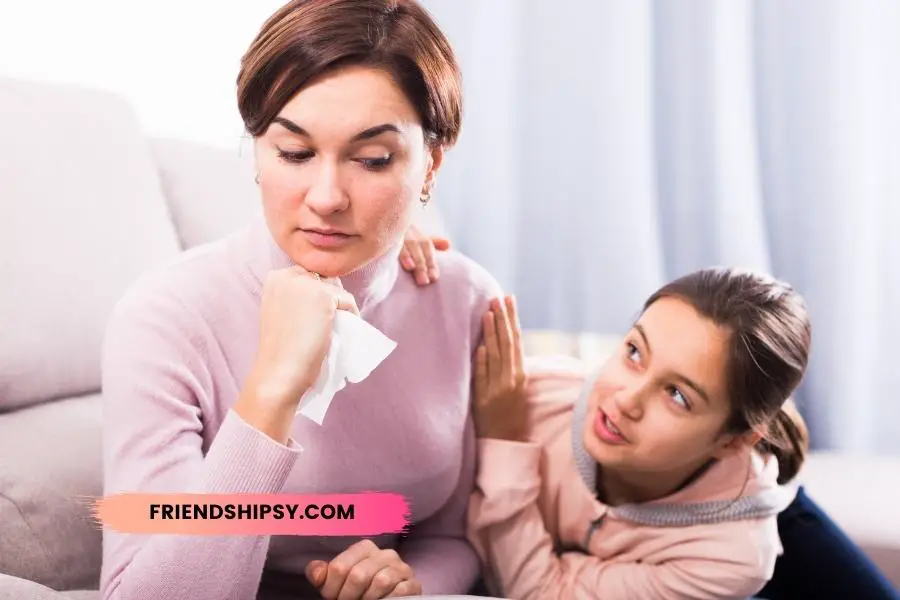
Have you ever missed an important event in a friend’s life or neglected them when they needed you most? It’s never easy to apologize for letting someone down, but it’s essential to being a good friend. In this post, we’ll dive into the art of apologizing and how to make amends with the people who matter most in our lives.
First, we’ll examine the importance of being there for friends. We’ll talk about why it’s crucial to show up for the people we care about, even if we’re busy with our lives. We’ll also share some personal stories about the difference a supportive friend can make.
Next, we’ll focus on taking responsibility and showing genuine remorse. You’ll learn how to say sorry in a way that shows your friend you understand how much you hurt them. We’ll also share tips on making amends and repairing a damaged friendship.
Have you ever lost touch with a friend or been away for so long that you’re unsure how to reconnect? We’ll cover that too. You’ll learn how to apologize for not being there and how to start building a new, stronger bond with your friend.
We’ll also talk about what to do when you need to apologize to multiple friends at once. We’ll share some practical advice on how to navigate this tricky situation and come out the other side with your friendships intact.
Finally, we’ll explore how apologizing can lead to personal growth and self-discovery. You’ll learn how saying sorry and making amends with friends can help you become a better person and build stronger relationships with those you care about.
So if you’re ready to learn the art of apologizing and become a better friend, buckle up and prepare for an adventure! In this awesome and eye-opening post, you’ll discover the secrets of making amends and rebuilding damaged relationships, one apology at a time.
Understanding the Importance of Being There for Friends
Being there for friends is one of the most important things you can do to show them you care. It can be devastating when you miss an important event in a friend’s life or neglect them when they need you the most. But don’t worry, and it’s never too late to make things right!
1. The Power of Presence
Being there for your friends shows them that you care about their lives and are willing to be a part of them. It’s a simple act that can mean the world to someone. Whether you’re supporting them through a tough time, celebrating a big accomplishment, or just hanging out and having fun, being there for your friends is the ultimate way to show them you love and appreciate them.
2. Building Stronger Bonds
When you’re there for your friends, you’re building stronger bonds and creating memories that will last a lifetime. Whether it’s a silly joke, a heart-to-heart conversation, or just enjoying each other’s company, the time you spend with your friends makes your friendship so special.
3. Making a Difference
Think about the times when a friend was there for you. Maybe they listened when you needed someone to talk to or helped you through a tough time. It made a huge difference, right? Being there for your friends is an opportunity to make a difference in their lives, just like they’ve made a difference in yours.
4. Being a Good Friend
At the end of the day, being there for your friends is what being a good friend is all about. It’s about putting in the effort to be there for the people you care about, even when it’s inconvenient. And the truth is, when you’re there for your friends, they’ll be there for you when you need them.
So ask yourself, have you been there for your friends lately? Are you trying to show up in their lives and support them when they need you? If not, now’s the time to start! Remember, the best way to have good friends is to be one.
I have learned the importance of being there for friends the hard way. I remember missing one of my best friend’s graduation ceremonies and how devastated she was. I felt guilty for not being there for her during such a big moment in her life.
It took some time to make things right, but now our friendship is stronger than ever. She knows I’ll always be there for her, no matter what.
So, whether you’re feeling guilty for missing an important event or want to ensure you’re doing your best to be there for your friends, remember that the most important thing is to make an effort. Your friends will appreciate it, and your relationships will be stronger.
How to Apologize for Missing Out on Your Friend’s Life
1. Start With a Genuine Expression of Remorse.
Apologizing for missing out on your friend’s life, it’s crucial to start with a heartfelt “I’m sorry.” Show your friend that you get how your absence may have impacted their life and that you truly regret not being there for them.
Think about a time when you had to apologize for something and remember how it felt to hear a sincere apology. That’s the kind of remorse you want to convey to your friend.
2. Take Responsibility for Your Actions.
It’s important to take responsibility for your actions and avoid shifting blame. You want to show your friend that you understand the impact of your absence on their life and that you’re committed to making things right. Instead of making excuses, be honest about what went wrong and own up to your mistakes.
This shows that you’re accountable and trustworthy and will go a long way in rebuilding trust and restoring your friendship. By taking responsibility for your actions, you’re showing your friend that you value their feelings and friendship and are dedicated to making amends.
3. Show Your Friend That You Value Their Friendship.
You can also show your friend that you value their friendship by being present and attentive during your time together. Make an effort to be fully present and focused on your friend instead of checking your phone or being distracted by other things.
Also, make plans to spend time together in the future, and keep your promises to be there for your friend. By taking these actions, you’ll demonstrate to your friend that their friendship is important to you and that you’re committed to making things right.
4. Offer a Tangible Solution to Make It up to Them.
Offering a tangible solution can go a long way to make things right with your friend. Maybe it’s a surprise coffee date or a fun adventure to show them that you value their time and your friendship.
This small act can show that you’re truly sorry and willing to put in the effort to make it up to them. Make it personal, something that your friend would enjoy or that you both can do together.
It’s important to put thought into the gesture to show your friend that they matter to you and that you’re committed to repairing the relationship.
5. Be Patient and Understanding.
When apologizing for missing out on a friend’s life, it’s crucial to be patient and understanding. Your friend may need time to process what’s happened and heal from hurt or disappointment.
So, give them the space and time they need to come around. And, when they’re ready, be open to their needs and listen to what they have to say.
Show them that you’re committed to rebuilding the trust in your friendship and that you’re willing to work together to make things right.
By being patient and understanding, you’ll help to lay the foundation for a stronger and more resilient friendship in the future.
6. Commit to Being There for Them in the Future.
Being there for your friend in the future shows them that you take your apology seriously and are committed to rebuilding the trust and bond in your friendship.
Make a promise to be more present in their life and be open to making changes that will help strengthen your friendship.
Show your friend that you care and that you’re willing to put in the effort to make things right. By doing so, you’ll show your friend that your apology was sincere and that you’re dedicated to being the best friend you can be.
7. A Little Bit of Humour Can Go a Long Way.
Incorporating a bit of humour into your apology can help to lighten the mood and show your friend that you’re not taking the situation too seriously. Just ensure the humour is appropriate and doesn’t come across as insensitive.
Maintaining a Strong Friendship After an Apology
1. Acknowledge the Hurt Feelings.
After apologizing, it’s important to acknowledge that you’ve hurt your friend and understand why they might still be upset. This shows that you take the situation seriously and care about repairing the friendship.
Let your friend know you’re there to listen and support them if they need to talk about their feelings. Give them space if they need it, but also make it clear that you’re not going to ignore the issue and pretend everything is okay.
2. Make an Effort to Restore the Friendship
An apology is a good start, but it’s not the end of the road. To rebuild the friendship, you need to take proactive steps to show your friend that you’re committed to making things right.
This could mean planning a fun activity together, checking in regularly, or simply being more attentive and present in the friendship. Find ways to make your friend feel valued and appreciated.
3. Be Open and Honest
If specific things you did contribute to the distance in the friendship, be open and honest about them. This shows that you’re willing to take responsibility and make changes.
It’s also important to be transparent about your feelings and intentions. This helps to rebuild trust and ensures no misunderstandings or lingering feelings of hurt.
4. Avoid Repeating the Same Mistakes
To truly maintain a strong friendship after an apology, you need to be mindful of the things that caused the distance in the first place. Be proactive about avoiding these mistakes in the future.
This could mean setting boundaries, prioritizing your time differently, or seeking help from a therapist if you need it. The goal is to ensure you can be there for your friend and maintain a healthy relationship.
5. Be Patient and Understanding.
Repairing a friendship after an apology takes time and effort from both parties. Be patient and understanding as you work through the process.
Remember that everyone heals at their own pace, and your friend may still feel hurt or resentful even after you’ve apologized.
Continue to show your support and love, and the friendship will grow stronger.
Final Thought
Apologizing for missing out on your friend’s life can be challenging but rewarding. It takes courage to admit your mistake and show your friend that you value their friendship and time.
By understanding the importance of being there for friends, learning how to apologize effectively, and maintaining a strong friendship after an apology, you can strengthen your bond with your friend and make up for a lost time.
Having learnt the art of apologizing for missing out on your friend’s life. So, next time you find yourself in this situation, remember to take it slow, be honest, and try to show your friend that you care. And who knows, your apology might make your friendship even stronger.
So, have you apologized to a friend lately? How did it go? Share your thoughts and experiences in the comments section below. We’d love to hear from you!